Understanding Anxiety and Depression and How Support Can Help

(919) 797-9031
detrichowell
April 23, 2025
We’re here to help. Whether you’d like more details about our services, upcoming programs, or how Elysian can support your wellness journey, our team is only a message away.
At Elysian Wellness, we recognize that each stage of childhood, spanning from infancy through adolescence, marks a critical opportunity for growth. That’s why our Child Development program provides personalized, developmentally aligned support to ensure every milestone is met with intentional care across behavioral, cognitive, emotional, and physical domains.

Our program is thoughtfully designed to mirror the North Carolina Foundations for Early Learning and Development, which outlines five core domains for ages birth to five: Approaches to Play & Learning; Emotional & Social Development; Health & Physical Development; Language & Communication; Cognitive Development
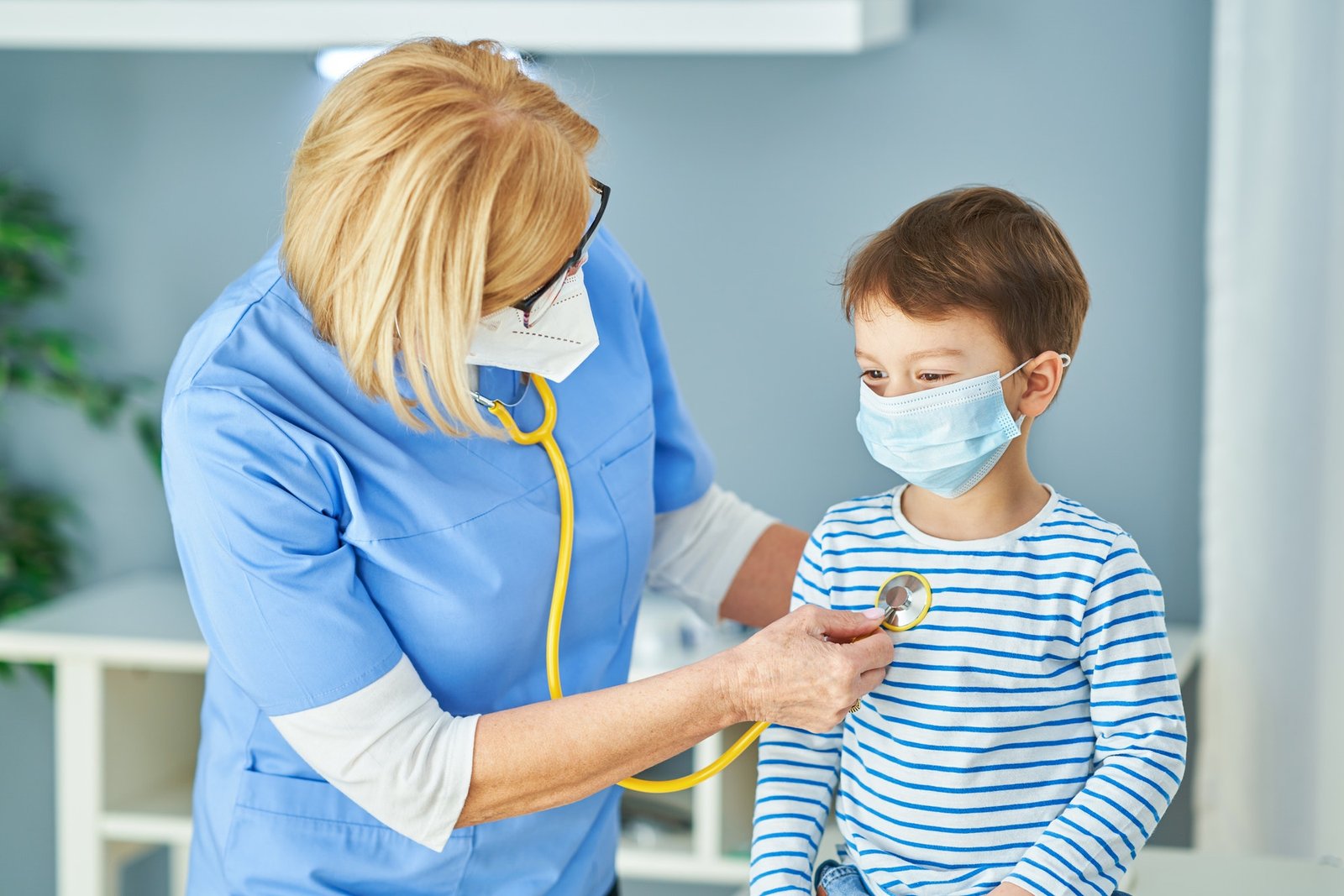
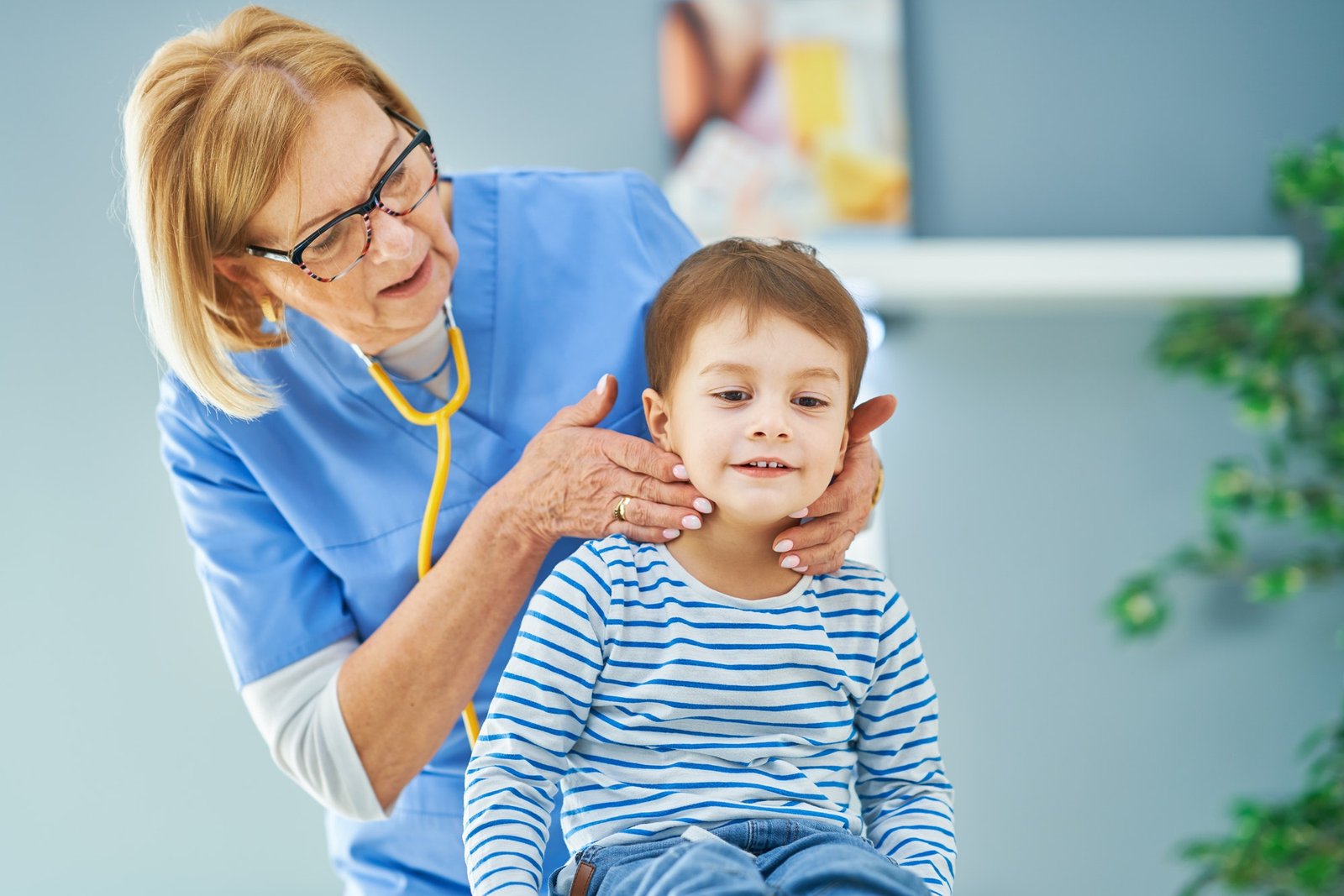
From birth to five, we utilize the NC Early Learning Progressions, which define developmental milestones at precise intervals (every few months in early years)—to track progress and inform tailored interventions As children move into middle childhood (ages 6–12) and adolescence (from around age 12), our support evolves to include physical coordination, identity formation, and cognitive reasoning development, matching NC’s definitions of these stages
Here’s how we support each domain of development:
Behavioral & Emotional Growth
We foster secure attachments, self-regulation, and emotional resilience—especially in early childhood, where relational health lays the foundation for long-term well-being NC DHHS. As children grow, we help them cultivate confidence, empathy, and positive social interaction.
Cognitive & Language Development
Children engage in activities that stimulate reasoning, memory, creativity, and symbolic expression—like using writing tools, engaging in problem-solving play, or exploring mathematics and pattern recognition NCBIearlylearningprogressions.fpg.unc.edu.
Physical Growth & Motor Skills
Early childhood support includes fine and gross motor activities—such as coordination games, tool use, balance exercises, and active play—to build physical confidence and body awareness NCBI. As they enter middle childhood and adolescence, programming shifts to support strength, motor refinement, and healthy growth trajectories ncfwiki.org.
We partner closely with families, inviting them into the developmental journey—drawing inspiration from NC’s Foundations for Families, which encourages engagement between professionals and parents using age-specific resources and activities NC Child Care.
Additionally, our program aligns with North Carolina’s intervention systems, such as the NC Infant-Toddler Program (NC ITP), ensuring timely referrals and support when developmental concerns emerge NC DHHS+1.
Evidence shows that fostering infant and early childhood mental health (IECMH), including nurturing relationships, emotional regulation, and early cognitive skills—has lifelong benefits, such as better school readiness, academic success, and emotional resilience NC DHHS.
By anchoring our program in evidence-based frameworks and integrating NC’s developmental benchmarks, we create a reliable path to thriving, guided by empathy, expertise, and an unwavering commitment to each child’s potential.
Stay Informed. Stay Inspired. Stay Healthy.
Get the latest news, wellness tips, exclusive offers, and updates from Elysian Therapeutics delivered straight to your inbox. Our newsletter is designed to keep you informed on all things health, from new services and programs to expert advice and community events.
Whether you’re looking to improve your mental, physical, or emotional well-being, we’ve got insights and inspiration to guide you every step of the way.
Elysian Therapeutics redefines healthcare by offering a holistic approach to wellness—combining expert medical care with mental health support, nutrition, fitness, and more. We believe in treating the whole person, not just the symptoms, and provide compassionate, accessible care in communities worldwide.
(919) 797-8759
Website Design by Monster Fruit Creative
© 2025 Elysian Therapeutics, LLC., All rights reserved.